

For a couple of years now, I’ve been obsessed with a story that refused to let me go. Every time I thought I’d found answers, something else came loose. Now I think I’ve finally unraveled enough to give it a proper telling. So grab a lantern, because we’re heading down the well together into one of Ohio’s strangest ghost stories: the Paines Hollow ghost.
The Ghost In The Well
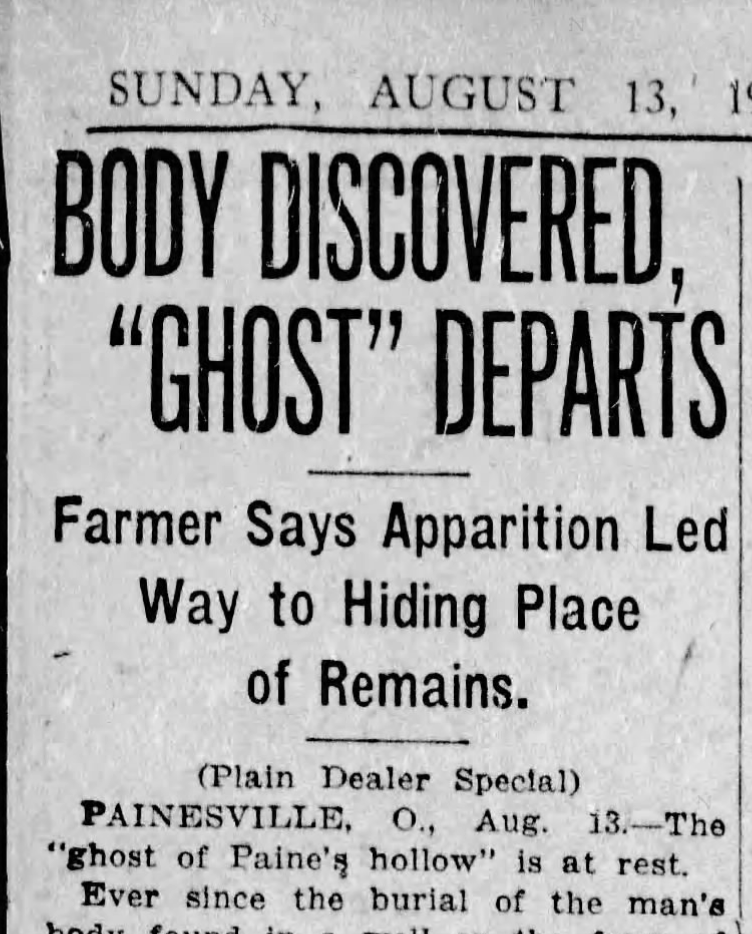
When farmer Carl Logies pulled the first shoe from the bottom of his well in August 1922, he wasn’t entirely surprised. For nearly a year, a white shadow had been leading him there.
The story begins in the quiet farmlands of Paines Hollow, six miles southeast of Painesville, Ohio. The property Carl bought in 1921 had long carried a reputation for bad luck. Crops failed, owners came and went, and one farmhouse had even burned to the ground. Locals whispered that a ghost was to blame.
Carl wasn’t the type to believe in such things, or so he said. Practical and steady, he was used to hard work. At nineteen, he crossed the Atlantic from Poland alone aboard the German steamship SS Rhein, arriving in Baltimore on June 17, 1907. From there, he made his way to Cleveland, where he lived with his sister’s family and worked as a machine operator at the Cleveland Twist Drill Company.

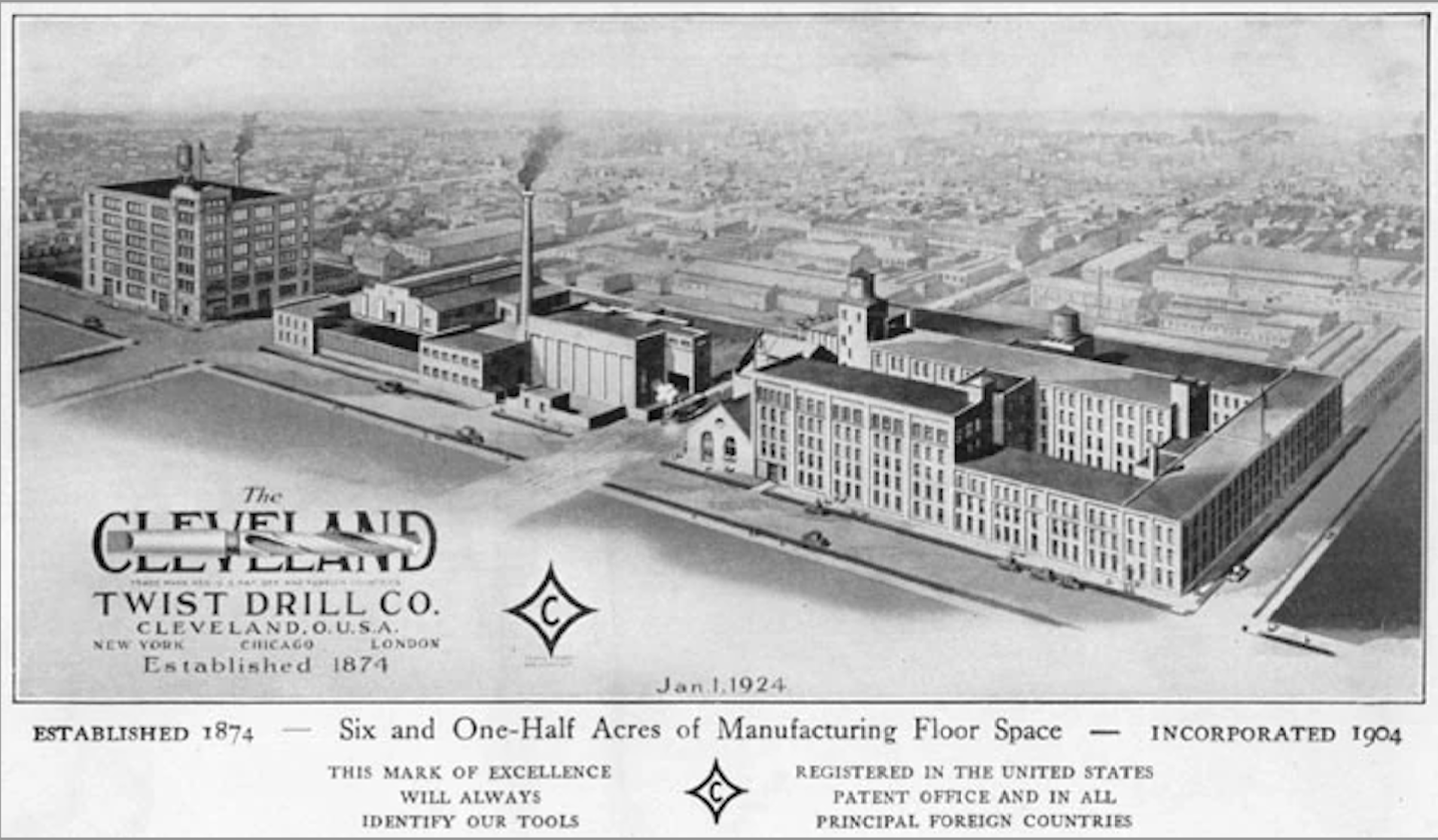
Carl married Augusta Gudat in 1910, and their daughter Ruth was born six years later. But on October 29, 1918, Augusta died from the flu, leaving Carl a widower with a small child. The following year, on February 14, 1919, he married Ottilie, who helped him raise Ruth and start again. It was an ordinary, hardworking life.
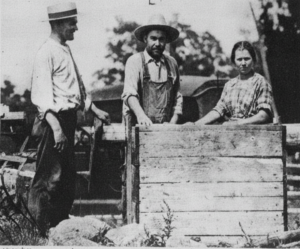
Like many immigrants of his generation, Carl was chasing the promise of permanence: a place to build something that would last. So when he finally saved enough to buy a small farm in the countryside, he saw Paines Hollow not as cursed but as opportunity. The rumors about the land didn’t bother him; if anything, they helped keep the price within reach, and Carl believed more in sweat than superstition.
The Paines Hollow Ghost
Since purchasing the property, Logies said, a strange “white shadow” or “vision” appeared near his barn every few nights. It fluttered in front of his face and then vanished. Sometimes it took the vague form of a man’s outline, and the encounters left him uneasy. More than once we waited with his gun, hoping to confront it, but the figure always vanished too quickly.
At first, he tried to ignore it. But then his horses began refusing to drink from the well. No matter how thirsty they were, they backed away from the water. When he realized the white shadow always disappeared near that same spot, about thirty-five feet from the barn, his unease turned to suspicion.
He later told deputies that at first he thought the white shape might be a bird, but seeing it night after night convinced him it meant something more. Eventually, he began to feel he was being guided to dig. Perhaps, he thought, the spirit of a dead man truly could not rest until his body was properly buried.
Whether he realized it or not, Logies’s words echoed an old-country belief that the dead could not find peace until their bodies were laid to rest. In parts of Eastern Europe, such restless souls were described as shadow-like spirits drifting near the living until buried, gliding like fog, transparent and persistent, much like the white figure he claimed to see.
The Man in the Well
By late summer of 1922, Logies and three hired hands were nearly finished clearing the old stone-lined well, which had been filled with rock years before. At a depth of about twenty-five feet, his shovel struck something unexpected: a pair of shoes, rolled at the seams but remarkably well preserved. Beneath them lay bones.
Sheriff Ora Spink and his deputies were called to the farm. Working by lantern light, they recovered the remains of a man wedged head-down at the bottom of the well. His limbs had been bound with heavy leather straps. The body was pinned beneath boulders, along with a few tools: a shovel, a pail, and a length of strap. The scene told a brutal story. The skull had been crushed and flattened by a heavy, blunt blow; the back shattered completely. When the body was raised, it came up headless. The skull was later found at the very bottom of the well, broken beyond recognition.
The Ghost Gets a Name
At first, Sheriff Ora Spink wondered if the bones might belong to a missing local farmhand named Robert Mosely, a young man who’d reportedly quarreled with Lerman over wages and then vanished. That suspicion faded as new details emerged, but Moseley’s disappearance was never explained, becoming just one more unanswered question hanging over Paines Hollow.
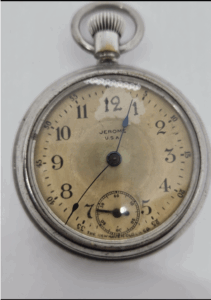
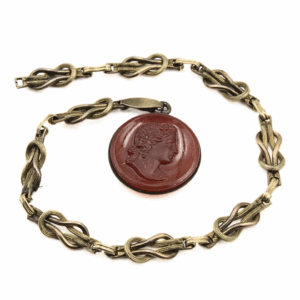
The victim was soon identified as Henry Lipenstick, a farmhand who had vanished seven years earlier in April 1915. A neighbor recognized his unusual brand of shoes. Other identifying marks included gold fillings and a Jerome pocket watch attached to a ruby-colored charm carved with a woman’s face. The watch had stopped precisely at 9:35, perhaps the very moment of death.
Some of the experts argued the body couldn’t have been in the sulfurous water for more than five years. The discrepancy between the seven years since Lipenstick’s disappearance and the estimated time of submersion would later complicate the case against his suspected killer.
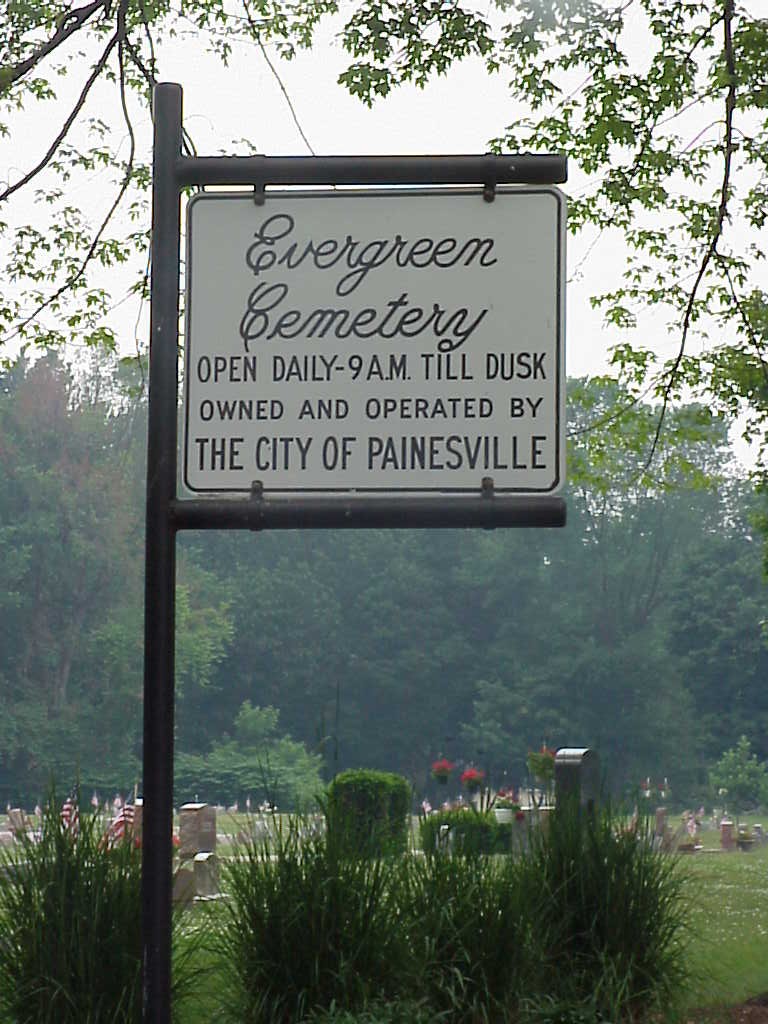
Afterward, Lipenstick’s remains were interred in an unmarked grave at Evergreen Cemetery. Local farmers said the white shadow had vanished, its purpose fulfilled.
The Man Accused
Once the body was identified, suspicion turned quickly to Frank Lerman, the farm’s former owner and Henry’s onetime employer. He was living in Cleveland by then, thirty years old, working quietly and keeping to himself. When Deputy Edward Rasmussen arrived at his door late on a Friday night, Lerman didn’t resist. He admitted he’d owned the farm, yes. And yes, Henry had worked for him. But he swore he hadn’t seen the man since the night Henry supposedly left for New York.
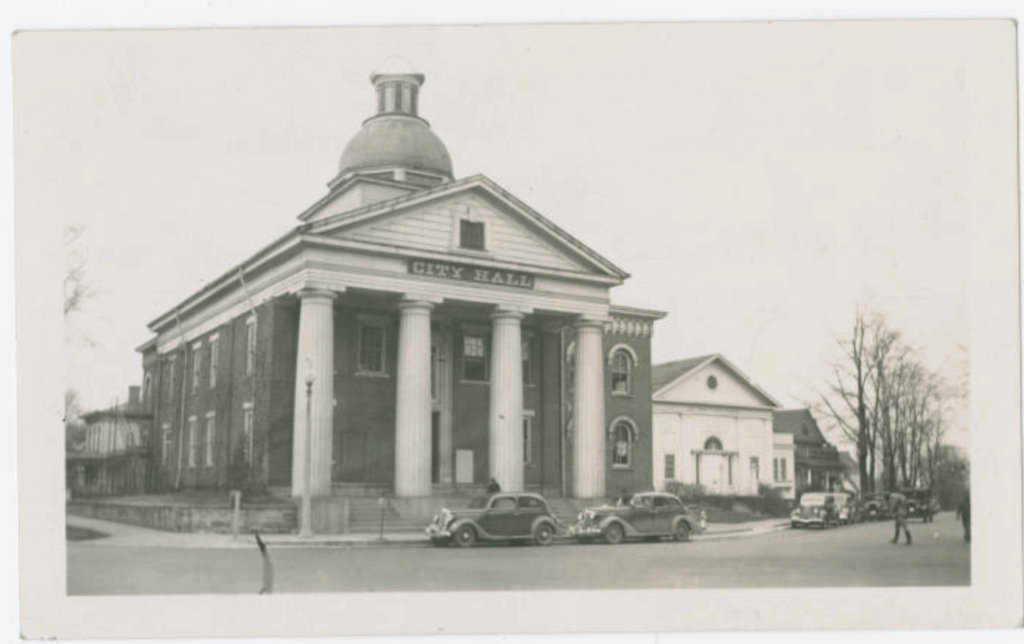
The newspapers didn’t buy it. They called the arrest “The Ghost’s Revenge.” The local press wrote that a spirit had guided Logies to the well, forcing the crime back into the light. Whether Lerman read those headlines from his jail cell isn’t known, but by Sunday morning, he was standing before Justice Josephine Bickerman in Painesville, charged with first-degree murder.
He pleaded not guilty. The charge was too serious for bail, and he was sent to the county jail to await a hearing. In October, the Lake County Grand Jury returned an indictment for second-degree murder, and for a while it looked like Paines Hollow might finally see justice.
But by the following spring, the case began to unravel. Witnesses grew uncertain. Physical evidence was thin, washed by time and groundwater. On April 18, 1923, the court dismissed the charges at the prosecutor’s request. The surety company that had posted his bond was released from liability, and Frank Lerman walked free.
The newspapers never followed up. For them, the ghost had done its part, and the story was over.
When the Ghost Stopped Walking
After the court dismissed the case, the story of Paines Hollow faded quietly into the archives. The farm changed hands again. The well was sealed for good. And the “white shadow” that had once terrified the valley was never seen again.
Whether that means a restless spirit finally found peace or a community simply moved on depends on how you choose to see it. But what remains certain is this: the haunting and the homicide were always intertwined. The legend gave the tragedy a kind of symmetry that the law couldn’t. Where the court found no closure, the folklore created one.
A century later, all that’s left are fragments. A death certificate filed by a weary sheriff, a few lines of newsprint describing bones at the bottom of a well, and whispers about a ghost who refused to stay quiet until justice was done. Maybe that’s what haunts us most about stories like this. Not the ghost itself, but the idea that some truths linger, waiting for someone stubborn enough to dig them up. If you’re drawn to quieter, stranger hauntings, you might also like my post on ghost cats and where to find them.